
Ditching the Drama Triangle: Why Your Daughter Needs Assertive Communication
If you’ve spent more than five minutes in a house with a teenage girl lately, you’ve likely felt the “Drama Triangle” in action. One day she’s the Victim (everyone is being mean to her), the next she’s the Rescuer (trying to fix a friend’s messy breakup), and suddenly, she’s cast as the Persecutor (the one being called “toxic” in the group chat).
It’s exhausting—for her and for you.
At Radiant Girls, we’ve found that most of this “drama” isn’t actually about being mean; it’s about a lack of tools. Most girls are taught to be “nice” (Passive) or they get so frustrated they explode (Aggressive). We want to teach them the “Middle Path”: Assertive Communication. It is the ultimate antidote to drama because it allows her to state her needs clearly without making someone else the villain.
The Three Styles of Speaking
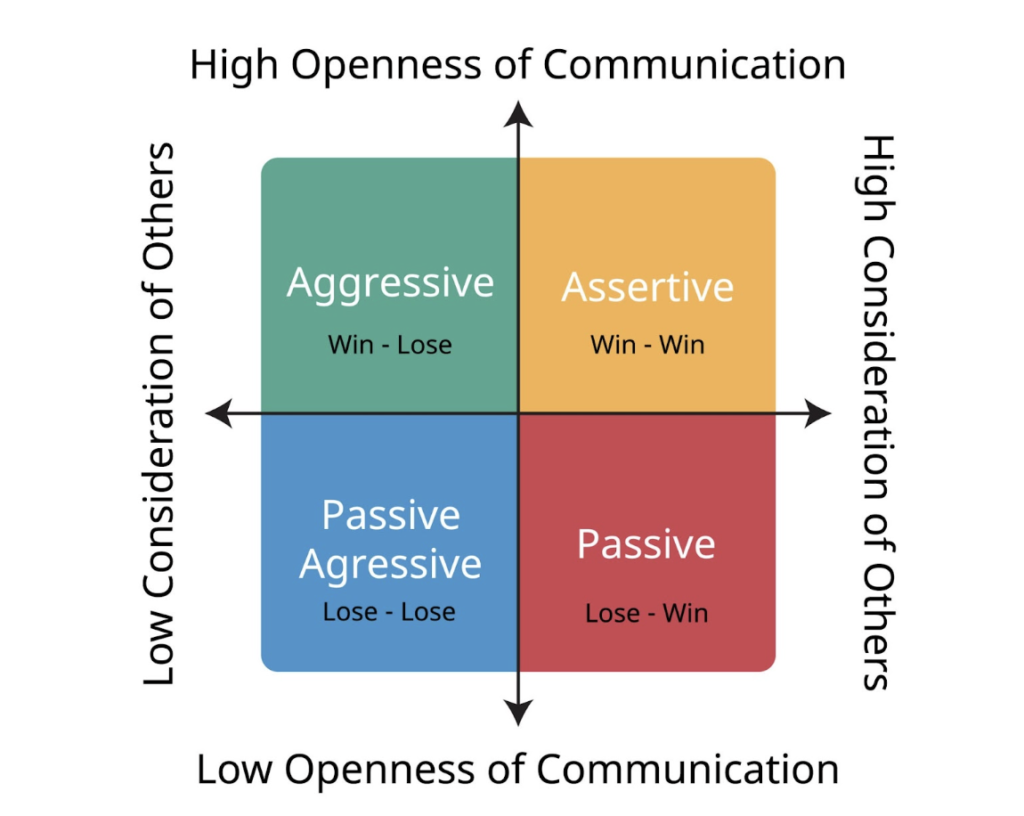
To help her navigate this, she needs to recognize the three “languages” of conflict:
- Passive: The “Doormat.” She says “It’s fine” when it’s not, then feels resentful later.
- Aggressive: The “Hammer.” She uses “You always…” and attacks the person instead of the problem.
- Assertive: The “Leader.” She uses “I” statements to own her feelings while staying kind.
The Radiant Tip: The "I-Statement" Power Move
Teaching a girl to be assertive is like giving her a social superpower. This week, try practicing these three steps to help her stay out of the triangle:
- The “I Feel” Formula: Instead of letting her vent about what a friend did, help her reframe it. Teach her to say: “I felt [emotion] when [action] happened, and I need [request].” For example: “I felt left out when you guys went to the mall without me, and I’d love a heads-up next time.”
- The “Pause and Check”: When she’s about to send a heated text, ask her: “Are you trying to solve a problem or just win an argument?” Assertiveness is about finding a solution; drama is about finding a winner.
- Validate the Discomfort: Remind her that being assertive feels “mean” at first if she’s used to being a people-pleaser. Tell her: “Setting a boundary isn’t being mean; it’s being clear.”
Empowerment is Voice
When our daughters learn to speak up for themselves effectively, they stop being characters in everyone else’s drama and start being the directors of their own lives. Assertive communication isn’t just about avoiding fights—it’s about building friendships based on honesty and mutual respect.